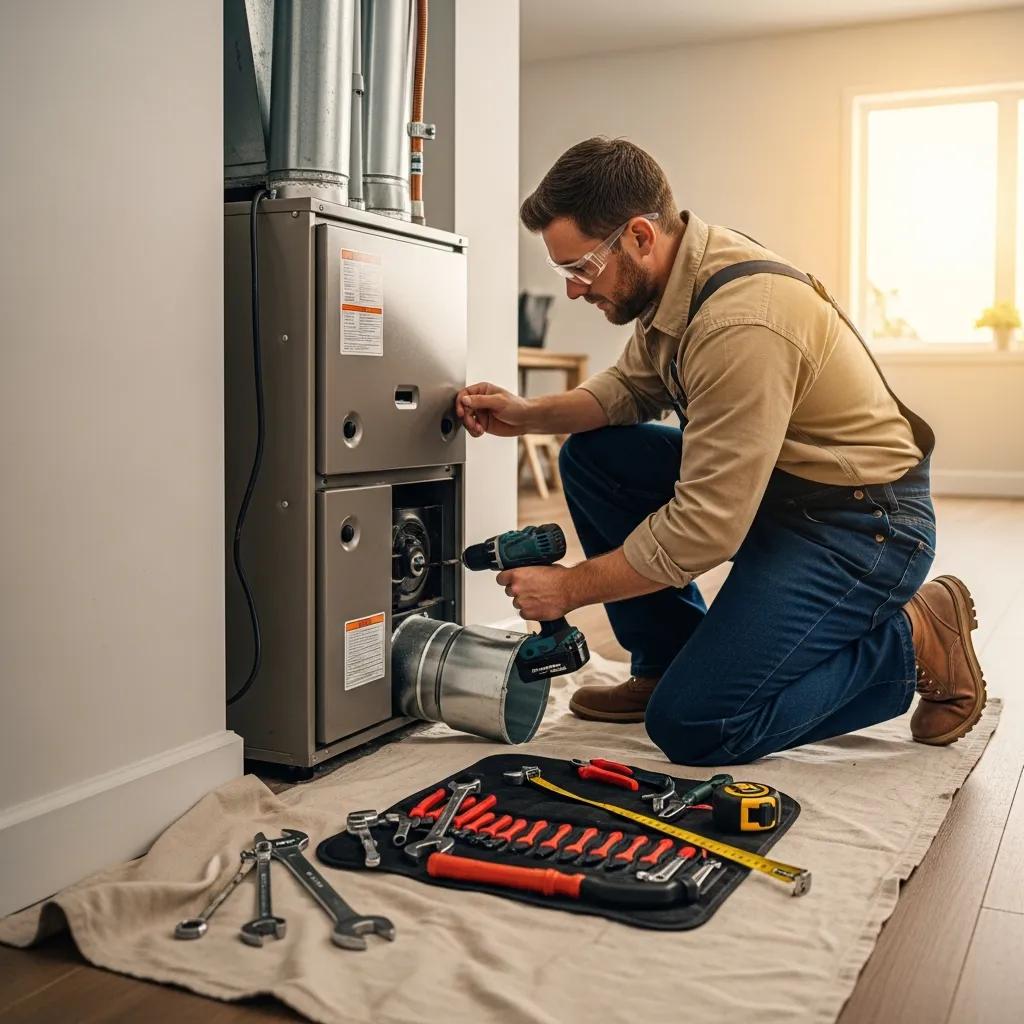
How Professional Furnace Installation Is Done Right: Expert Guide to Licensed, Energy-Efficient Heating Setup
Professional furnace installation is a critical process that ensures your heating system operates efficiently and safely. This guide will walk you through the essential steps involved in professional furnace installation, highlighting the importance of hiring licensed technicians and selecting the right furnace for your home or business. Many homeowners face challenges when it comes to heating their spaces effectively, often leading to discomfort and increased energy costs. By understanding the installation process and making informed decisions, you can achieve a reliable and energy-efficient heating solution. This article will cover the key steps in the installation process, how to choose the right furnace, the importance of hiring licensed installers, and typical costs and financing options. With the right knowledge, you can avoid common pitfalls and ensure your heating system provides comfort and safety for years to come.
What Are the Key Steps in the Professional Furnace Installation Process?
The professional furnace installation process involves several key steps that ensure a safe and efficient setup. Initially, licensed technicians assess your home to determine the best heating solution based on your specific needs. This assessment includes evaluating the size of your space, existing ductwork, and any potential safety concerns. Following this, the technicians prepare the installation site, ensuring that all necessary tools and materials are on hand for a smooth installation. Throughout the process, attention to detail is paramount to prevent future issues and to maximize the furnace’s performance. After installation, technicians also provide guidance on system operation and maintenance to help you get the most out of your new furnace.
How Do Licensed Technicians Assess and Prepare Your Home for Installation?

Licensed technicians conduct a thorough assessment of your home to identify the most suitable furnace type and size. They consider factors such as the square footage of your home, insulation quality, and existing heating systems. This evaluation is crucial as it helps in selecting a furnace that meets your heating demands without wasting energy. Additionally, technicians prepare the installation area by clearing any obstacles and ensuring that the necessary electrical and gas connections are accessible. They also check for any ventilation requirements and compliance with local building codes, which is essential for both safety and efficiency. This comprehensive preparation minimizes the risk of installation delays and ensures a seamless process from start to finish.
What Are the Essential Installation Steps for Safe and Efficient Furnace Setup?
The installation of a furnace involves several essential steps to ensure safety and efficiency. First, technicians will install the furnace in the designated area, ensuring it is level and securely positioned. Next, they connect the furnace to the existing ductwork and electrical systems, followed by a series of safety checks to confirm that everything is functioning correctly. Finally, the technicians will test the system to ensure it operates efficiently and meets safety standards, providing you with peace of mind. They also calibrate the thermostat and verify that all controls are responsive and accurate. Proper disposal of any old equipment and cleanup of the work area are additional steps that professional installers take to leave your home in excellent condition.
How to Choose the Right Furnace for Your Home or Business?
Choosing the right furnace is vital for achieving optimal heating efficiency and comfort. Several factors influence this decision, including the size of your space, your budget, and the type of fuel you prefer. Understanding these factors can help you make an informed choice that aligns with your heating needs. It is also important to consider the furnace’s warranty, brand reputation, and available features such as variable speed blowers or smart thermostats, which can enhance comfort and energy savings. Consulting with a professional can provide personalized recommendations tailored to your specific situation.
What Factors Influence Selecting an Energy Efficient Furnace?
When selecting an energy-efficient furnace, consider the unit’s Annual Fuel Utilization Efficiency (AFUE) rating, which indicates how effectively the furnace converts fuel into heat. Higher AFUE ratings signify better efficiency, leading to lower energy bills. Additionally, consider the type of furnace—gas, electric, or oil—as each has its advantages and disadvantages in terms of cost and efficiency. Other factors include the furnace’s size relative to your home, as an oversized or undersized unit can reduce efficiency and comfort. Features such as modulating burners and variable-speed fans also contribute to energy savings by adjusting output to match heating demand more precisely.
How Do Different Furnace Types Compare in Performance and Cost?
Different furnace types vary significantly in performance and cost. Gas furnaces are typically more efficient and have lower operating costs compared to electric models. However, the initial installation cost for gas furnaces may be higher due to the need for gas lines. Electric furnaces, while generally cheaper to install, can lead to higher energy bills if not sized correctly. Understanding these differences can help you choose the best option for your home or business. Oil furnaces, though less common, may be suitable in areas without natural gas access but often require more maintenance. Additionally, considering the environmental impact of each fuel type can guide your decision towards a more sustainable heating solution.
Why Is Hiring Licensed Furnace Installers Crucial for Safety and Efficiency?
Hiring licensed furnace installers is essential for ensuring that your heating system is installed correctly and safely. Licensed professionals have the training and expertise to handle complex installations, reducing the risk of errors that could lead to safety hazards or inefficient operation. They are also familiar with local building codes and regulations, ensuring your installation is compliant and avoiding potential legal issues. Moreover, many furnace manufacturers require professional installation by licensed technicians to maintain warranty coverage, protecting your investment.
What Credentials and Expertise Do Licensed Technicians Provide?
Licensed technicians possess the necessary credentials and training to perform furnace installations according to local codes and safety standards. They are knowledgeable about the latest technologies and best practices in HVAC, ensuring that your system is installed correctly and operates efficiently. This expertise is crucial for avoiding common pitfalls that can arise during installation. Additionally, licensed installers often participate in ongoing education to stay current with industry advancements, which benefits homeowners by providing access to the most up-to-date and effective heating solutions.
How Does Professional Installation Reduce Safety Risks and Improve System Longevity?
Professional installation significantly reduces safety risks associated with improper furnace setup, such as gas leaks or electrical hazards. Additionally, a correctly installed furnace is more likely to operate efficiently, leading to lower energy costs and a longer lifespan for the system. Statistics show that professionally installed systems can last longer than those installed by unlicensed individuals. Proper installation also minimizes wear and tear on components, reducing the likelihood of breakdowns and costly repairs. Furthermore, licensed installers provide thorough system testing and calibration, ensuring optimal performance from day one.
What Are the Typical Costs and Financing Options for Professional Furnace Installation?
The cost of professional furnace installation can vary widely based on several factors, including the type of furnace, the complexity of the installation, and local labor rates. Understanding these costs can help you budget effectively for your new heating system. It is also important to factor in potential additional expenses such as permits, ductwork modifications, or upgrades to your home’s electrical or gas systems. Planning ahead and obtaining multiple quotes can help you find the best value for your investment.
How Is Furnace Installation Cost Determined?
Furnace installation costs are determined by several factors, including the price of the furnace itself, labor costs, and any additional materials required for installation. On average, homeowners can expect to pay between $3,000 and $7,000 for a complete furnace installation, depending on the system’s size and efficiency. More complex installations, such as those requiring new ductwork or upgrades to existing infrastructure, can increase costs. It is advisable to request detailed estimates that break down all components of the cost to avoid surprises.
What Local Incentives and Energy Rebates Can Offset Installation Expenses?
Many local governments and utility companies offer incentives and rebates for installing energy-efficient heating systems. These programs can significantly reduce the overall cost of installation, making it more affordable for homeowners to upgrade to a more efficient furnace. Be sure to check with your local energy provider for available programs that can help offset your installation expenses. Additionally, some manufacturers offer rebates or financing options that can further ease the financial burden. Taking advantage of these incentives not only saves money but also promotes environmentally responsible choices.
Frequently Asked Questions
What maintenance is required after furnace installation?
After furnace installation, regular maintenance is essential to ensure optimal performance and longevity. Homeowners should schedule annual inspections with a licensed technician to check for any issues, clean components, and replace filters. Additionally, it’s important to monitor the system for unusual noises or performance changes. Keeping the area around the furnace clear of debris and ensuring proper ventilation are also crucial. Regular maintenance not only enhances efficiency but can also prevent costly repairs down the line.
How can I improve the energy efficiency of my furnace?
Improving the energy efficiency of your furnace can be achieved through several strategies. First, ensure that your home is well-insulated to prevent heat loss. Installing a programmable thermostat allows for better temperature control, reducing energy consumption when you’re not home. Regular maintenance, such as changing filters and cleaning ducts, also plays a significant role in efficiency. Additionally, consider upgrading to a high-efficiency furnace with a higher AFUE rating, which can significantly lower your energy bills over time.
What should I do if my furnace is not heating properly?
If your furnace is not heating properly, first check the thermostat settings to ensure it is set to the desired temperature. Inspect the air filters and replace them if they are dirty, as clogged filters can restrict airflow. Ensure that the furnace’s power supply is functioning and that the circuit breaker hasn’t tripped. If these steps do not resolve the issue, it is advisable to contact a licensed technician for a thorough inspection and repair, as there may be underlying mechanical problems.
What are the signs that I need to replace my furnace?
Several signs indicate that it may be time to replace your furnace. If your furnace is over 15 years old, it may be less efficient and more prone to breakdowns. Frequent repairs, rising energy bills, and inconsistent heating throughout your home are also red flags. Additionally, if you notice unusual noises, strange odors, or an increase in dust and allergens, these could signal that your furnace is failing. Consulting with a licensed technician can help determine whether repair or replacement is the best option.
How can I ensure my furnace installation meets local building codes?
To ensure your furnace installation meets local building codes, it is crucial to hire licensed and experienced technicians who are familiar with the regulations in your area. They will understand the necessary permits and inspections required for installation. Before installation, you can also check with your local building department to understand specific codes and requirements. Ensuring compliance not only guarantees safety but also protects your investment and avoids potential legal issues in the future.
Conclusion
Investing in professional furnace installation ensures your heating system operates safely and efficiently, providing long-term comfort and energy savings. By choosing licensed technicians, you not only comply with local regulations but also protect your investment with expert knowledge and skills. Understanding the installation process and selecting the right furnace tailored to your needs can significantly enhance your home’s heating performance. Take the next step towards a reliable heating solution by consulting with our experienced professionals today.