Understanding HVAC Systems: A Homeowner's Guide
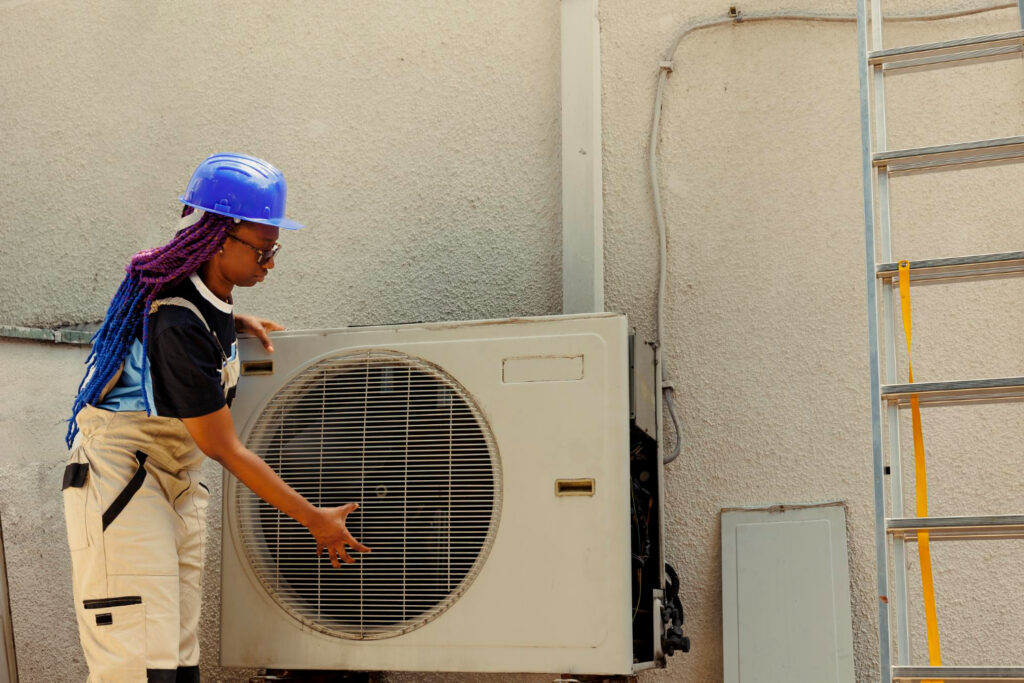
As a homeowner, understanding the basics of HVAC systems is essential for maintaining comfort and efficiency in your living space. HVAC stands for heating, ventilation, and air conditioning, encompassing a variety of systems that regulate indoor climate. Familiarizing yourself with how these systems work can empower you to make informed decisions regarding maintenance and upgrades.
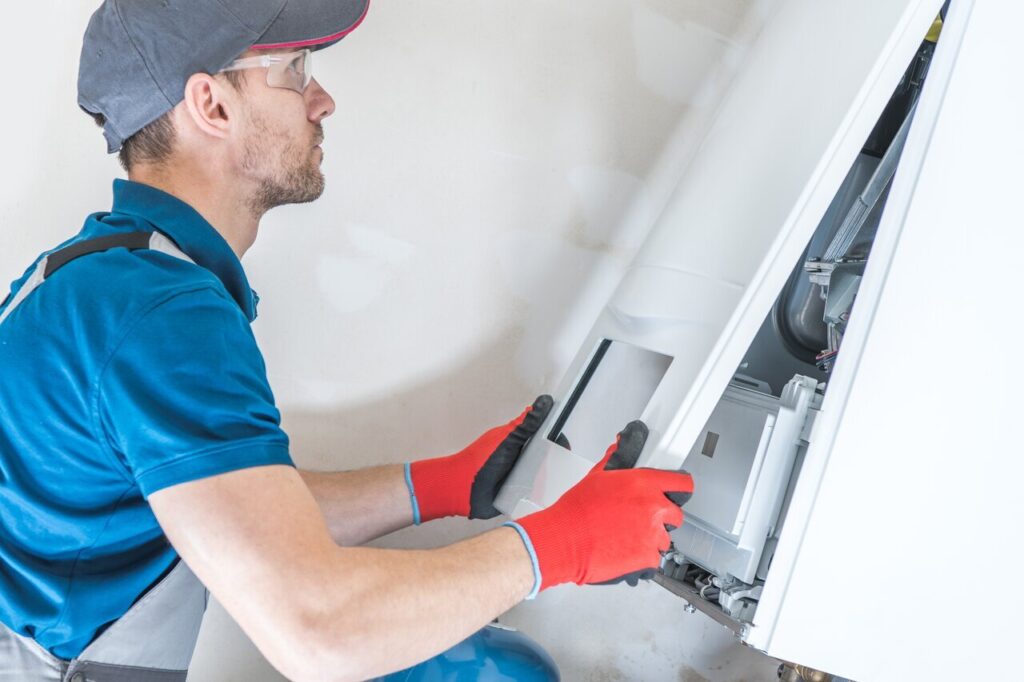
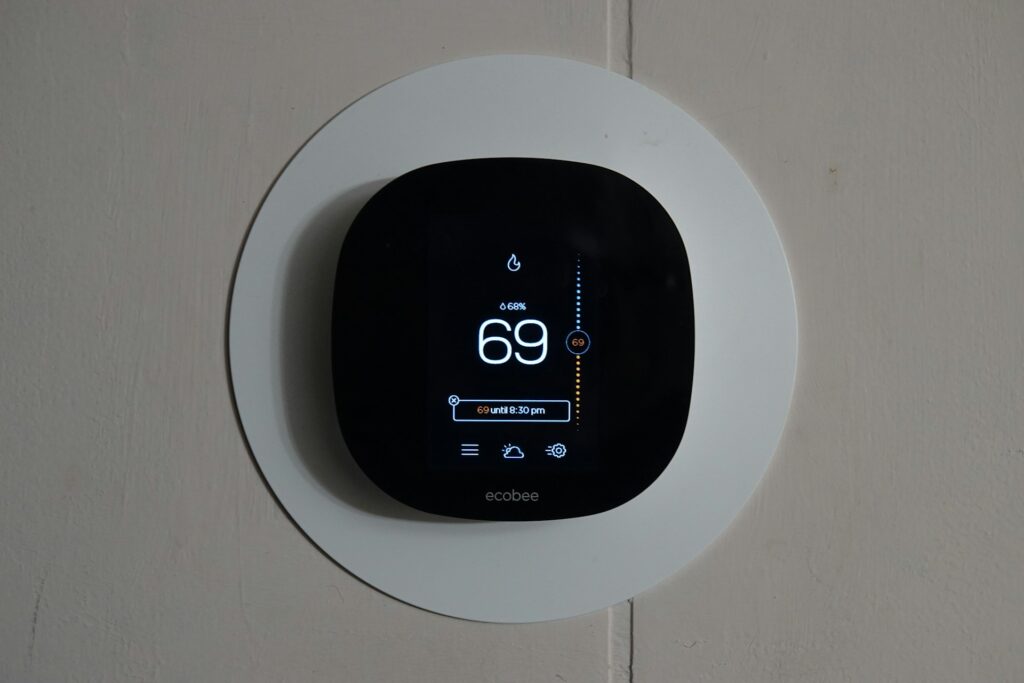
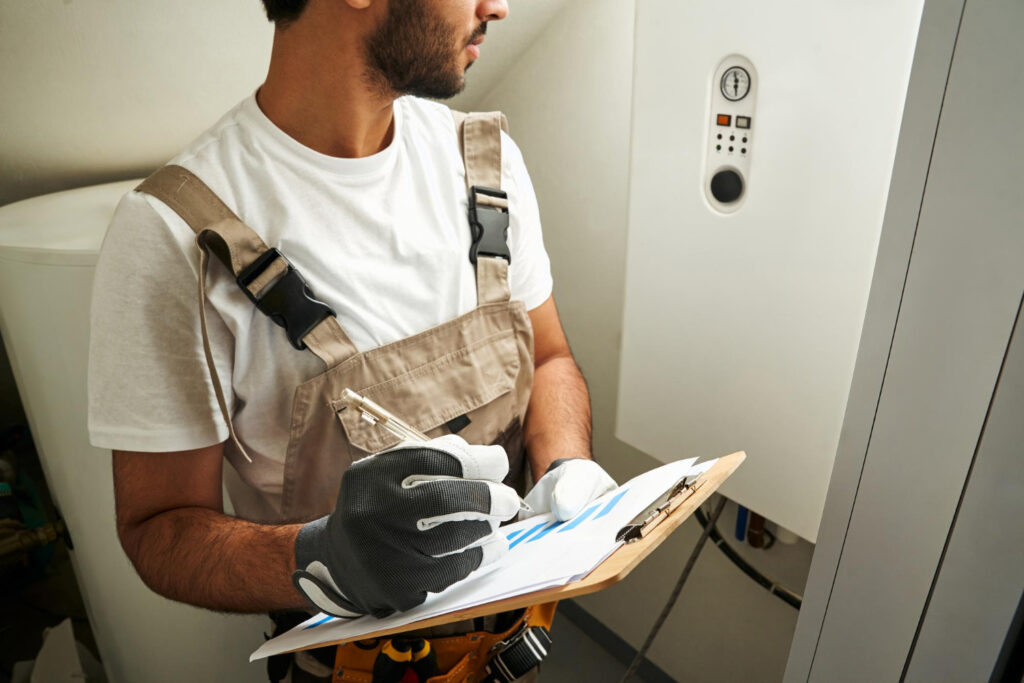
In addition to understanding the components of your HVAC system, knowing how to identify potential issues can help you address them before they escalate. For instance, recognizing unusual noises or fluctuations in temperature can be key indicators that your system needs professional attention. By being proactive, you can ensure your home remains comfortable year-round.
Energy Efficiency Tips for Homeowners
Improving energy efficiency in your home not only reduces utility bills but also extends the lifespan of your HVAC system. Simple measures, such as sealing windows and doors or using energy-efficient appliances, can significantly impact your overall energy consumption. Implementing these changes can lead to a more sustainable home environment.
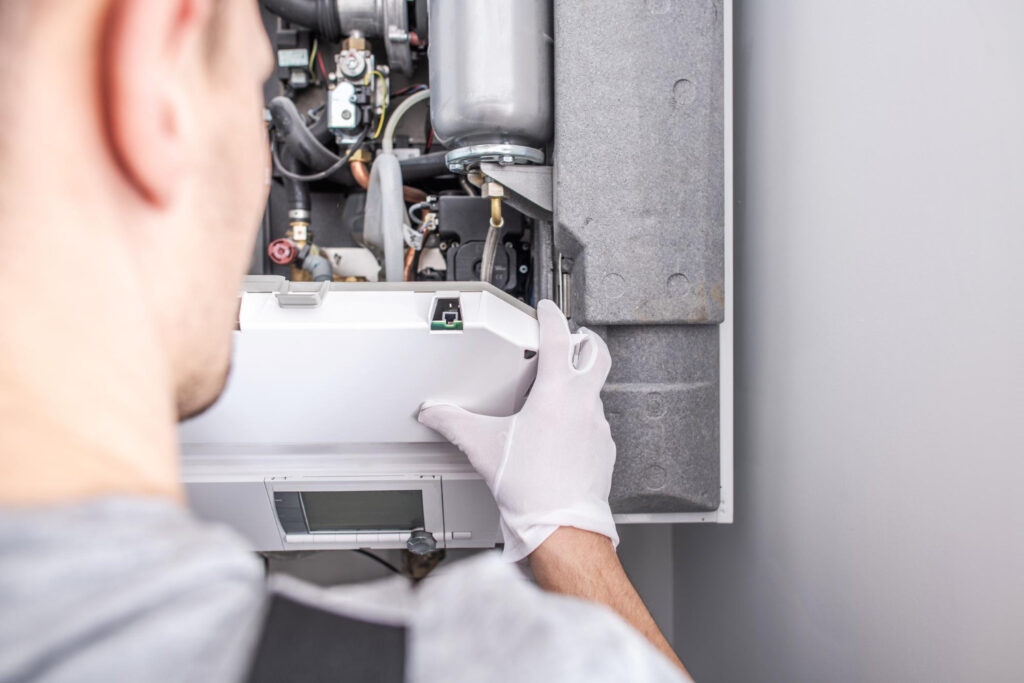
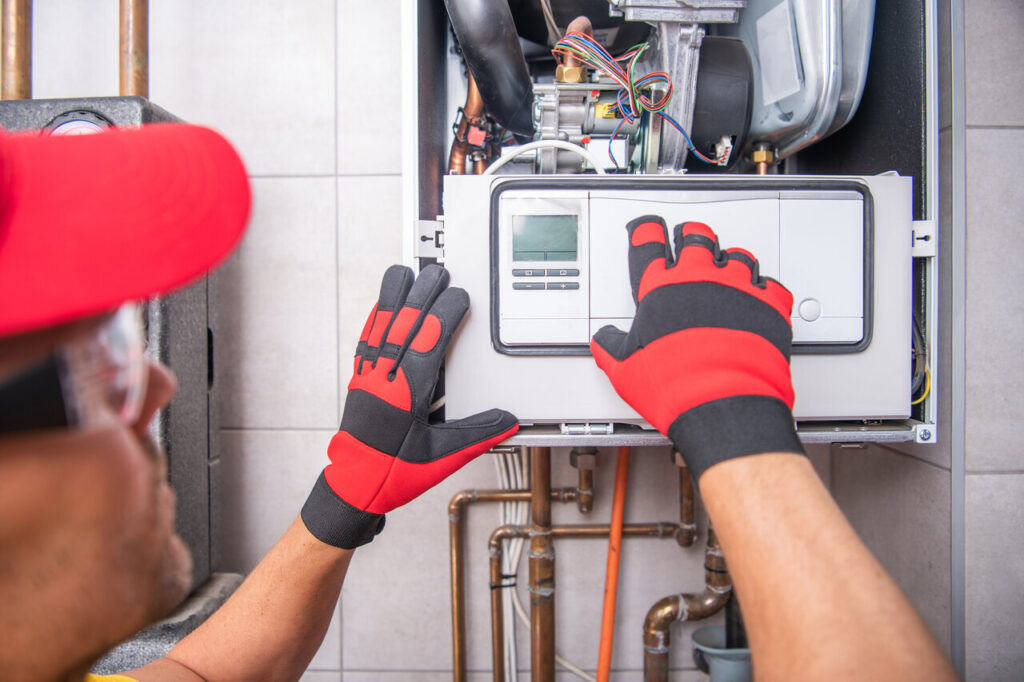
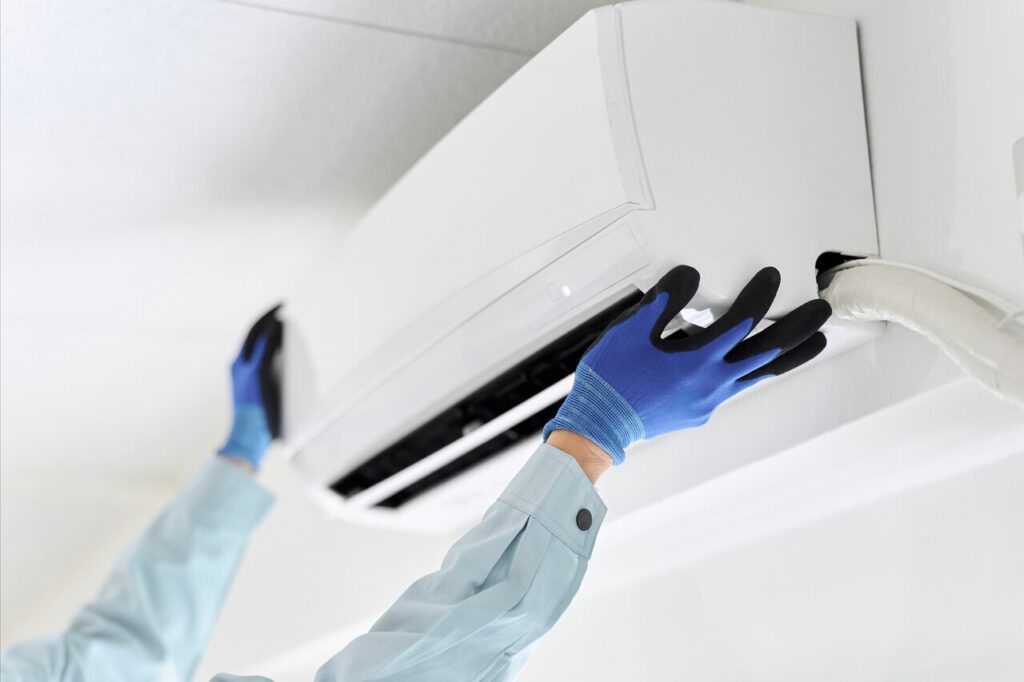
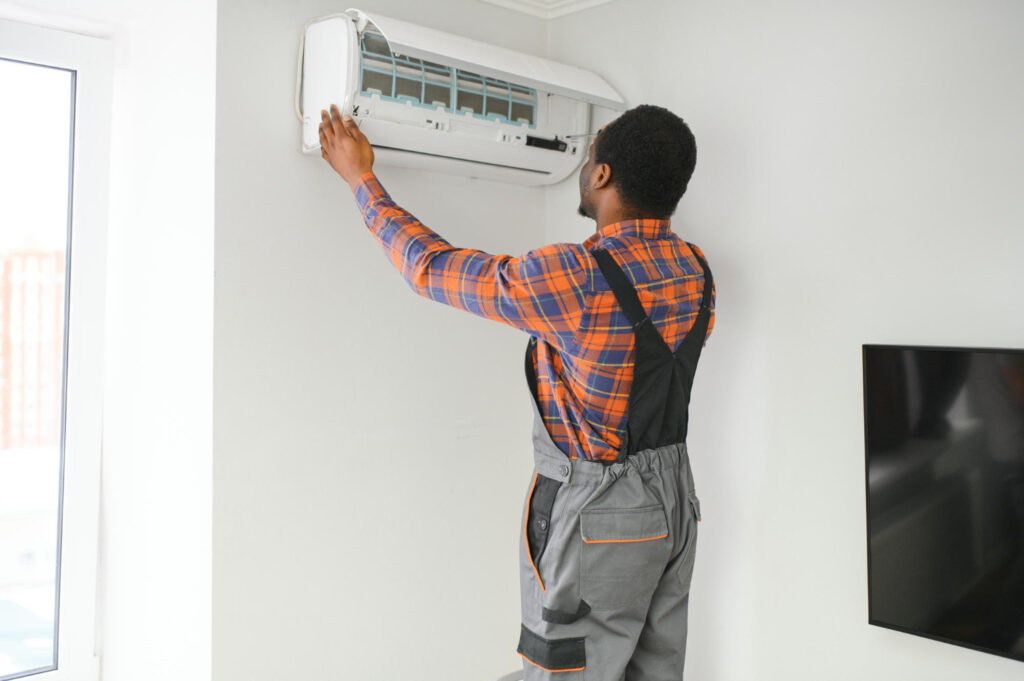
Additionally, consider scheduling regular maintenance checks for your HVAC system. A well-maintained system operates more efficiently, reducing energy waste. By investing in energy efficiency, you not only save money but also contribute to a healthier planet.
Common HVAC Myths Debunked
Many homeowners hold misconceptions about HVAC systems that can lead to poor decision-making regarding maintenance and upgrades. One common myth is that closing vents in unused rooms saves energy; however, this can actually strain your system and lead to higher energy costs. Understanding the truth behind these myths is crucial for making informed choices.
Another prevalent myth is that larger HVAC units are always better. In reality, an oversized system can lead to inefficient operation and increased wear and tear. By debunking these myths, homeowners can better navigate their HVAC needs and ensure optimal performance.
The Importance of Indoor Air Quality
Indoor air quality is a critical aspect of home comfort that often goes overlooked. Poor air quality can lead to health issues, including allergies and respiratory problems. Regular maintenance of your HVAC system, including changing filters and ensuring proper ventilation, plays a vital role in maintaining a healthy indoor environment.
Investing in air quality improvements, such as air purifiers or humidifiers, can further enhance your home's atmosphere. By prioritizing indoor air quality, you create a healthier living space for you and your family, ensuring that your home remains a sanctuary of comfort and well-being.
Understanding HVAC Systems: A Homeowner's Guide
As a homeowner, understanding the basics of HVAC systems is essential for maintaining comfort and efficiency in your living space. HVAC stands for heating, ventilation, and air conditioning, encompassing a variety of systems that regulate indoor climate. Familiarizing yourself with how these systems work can empower you to make informed decisions regarding maintenance and upgrades.
In addition to understanding the components of your HVAC system, knowing how to identify potential issues can help you address them before they escalate. For instance, recognizing unusual noises or fluctuations in temperature can be key indicators that your system needs professional attention. By being proactive, you can ensure your home remains comfortable year-round.
Energy Efficiency Tips for Homeowners
Improving energy efficiency in your home not only reduces utility bills but also extends the lifespan of your HVAC system. Simple measures, such as sealing windows and doors or using energy-efficient appliances, can significantly impact your overall energy consumption. Implementing these changes can lead to a more sustainable home environment.
Additionally, consider scheduling regular maintenance checks for your HVAC system. A well-maintained system operates more efficiently, reducing energy waste. By investing in energy efficiency, you not only save money but also contribute to a healthier planet.
Common HVAC Myths Debunked
Many homeowners hold misconceptions about HVAC systems that can lead to poor decision-making regarding maintenance and upgrades. One common myth is that closing vents in unused rooms saves energy; however, this can actually strain your system and lead to higher energy costs. Understanding the truth behind these myths is crucial for making informed choices.
Another prevalent myth is that larger HVAC units are always better. In reality, an oversized system can lead to inefficient operation and increased wear and tear. By debunking these myths, homeowners can better navigate their HVAC needs and ensure optimal performance.
The Importance of Indoor Air Quality
Indoor air quality is a critical aspect of home comfort that often goes overlooked. Poor air quality can lead to health issues, including allergies and respiratory problems. Regular maintenance of your HVAC system, including changing filters and ensuring proper ventilation, plays a vital role in maintaining a healthy indoor environment.
Investing in air quality improvements, such as air purifiers or humidifiers, can further enhance your home's atmosphere. By prioritizing indoor air quality, you create a healthier living space for you and your family, ensuring that your home remains a sanctuary of comfort and well-being.