

Installation Errors That Shorten a Furnace’s Life — How to Spot, Prevent, and Extend Your Heater’s Service
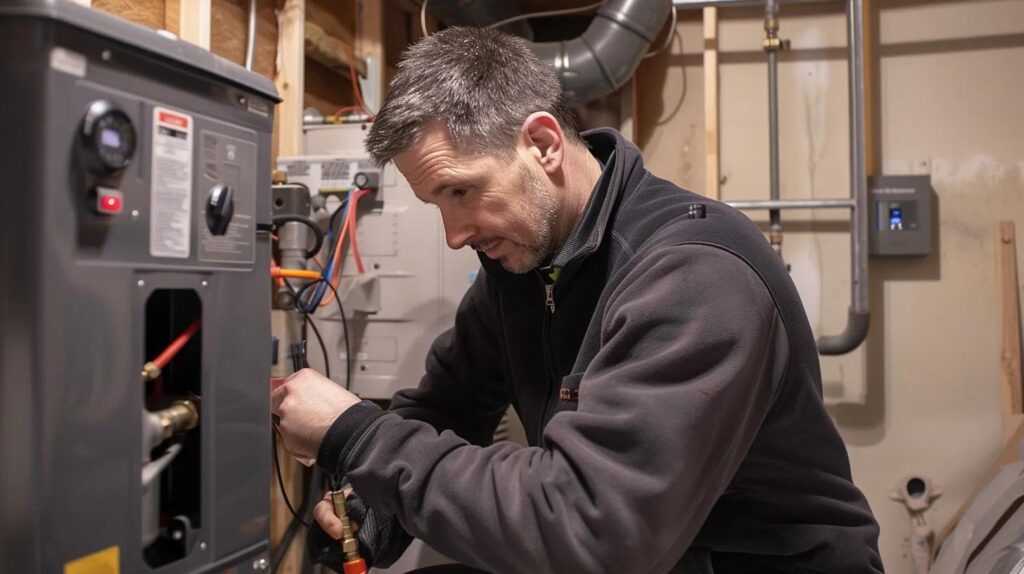
Poor furnace installation can shave years off your system and raise your energy bills. Knowing the typical mistakes helps homeowners and HVAC pros prevent premature failures. A properly installed furnace is crucial for both comfort and cost savings, ensuring your home remains warm without unnecessary expenses. In this guide we explain the installation errors that commonly shorten furnace life, how to recognize them, and what to do about them — from correct placement and venting to maintenance and when to call for professional HVAC services in Houston.
What Are the Most Common Furnace Installation Mistakes?
Installation missteps reduce efficiency and speed up wear. Spotting them early is the best way to avoid headaches later. These errors often lead to a cascade of problems, from minor inconveniences to major system breakdowns. The most common problems we see are incorrect furnace placement and improper venting, both of which can seriously hurt performance and compromise safety.
Incorrect Furnace Placement and Its Impact on Performance
Placing a furnace in a tight alcove or too close to surrounding walls restricts airflow and forces the unit to work harder. This constant struggle to draw in sufficient air not only strains the motor but also reduces the furnace’s ability to heat your home effectively. Over time that extra strain raises energy use and accelerates component wear, leading to more frequent repairs and a shorter overall lifespan. You may also notice uneven heating — cold spots in some rooms while others get too warm — indicating a compromised distribution of heat. Proper clearance and placement are simple fixes that protect lifespan and comfort, ensuring your furnace operates as intended.
Improper Venting and Airflow Issues During Installation
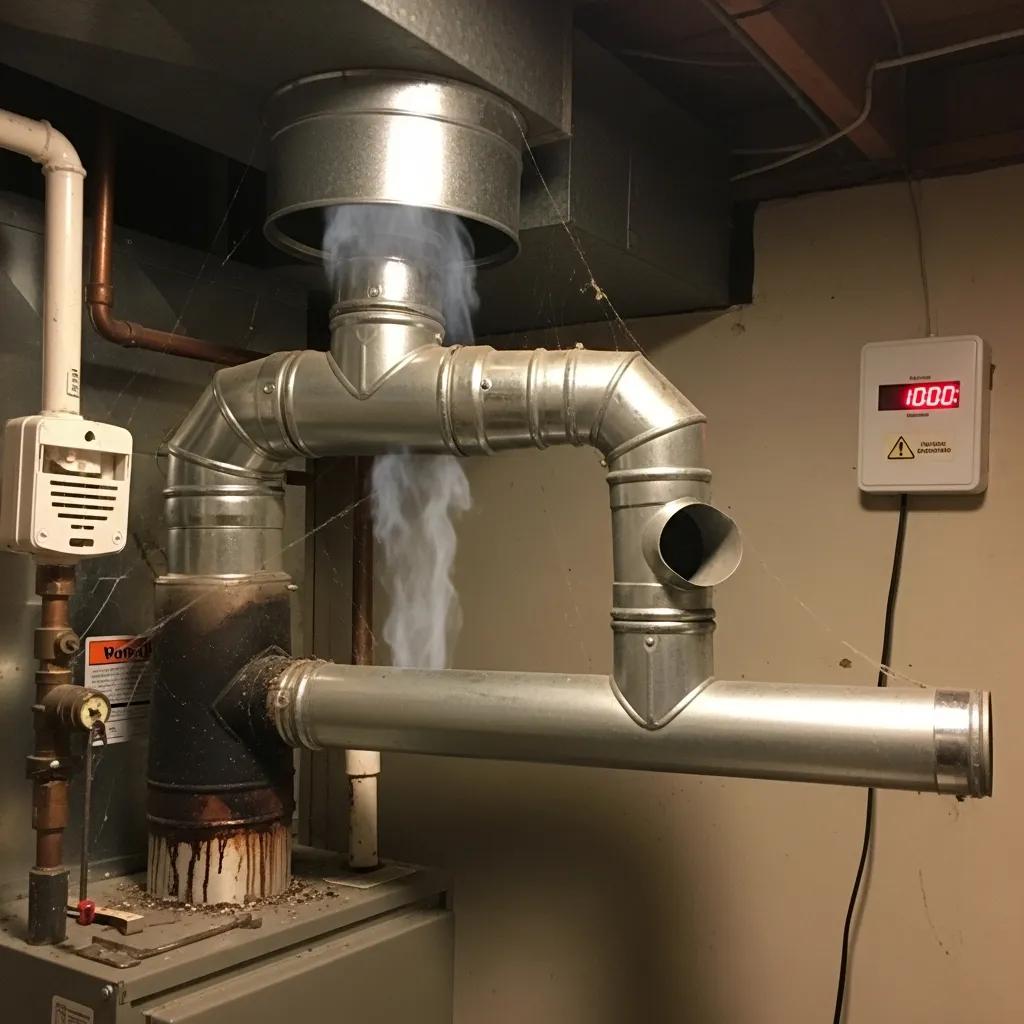
Venting that’s too small, routed at the wrong angle, or not sealed correctly can cause backdrafts and poor combustion. This means that harmful exhaust gases, instead of being safely expelled outside, can leak back into your home, posing serious health risks. That reduces efficiency and creates safety risks — including carbon monoxide buildup, which is odorless and deadly. Correctly sized ducts and properly installed vents are essential for safe, efficient operation, ensuring proper air exchange and preventing dangerous gas accumulation.
How Do Installation Errors Affect Furnace Lifespan and Efficiency?
Mistakes made at installation don’t stay small — they compound. What might seem like a minor oversight can quickly escalate into significant operational problems, leading to higher utility bills and premature system failure. Knowing the likely impacts helps you prioritize fixes and choose the right installer, emphasizing the importance of getting it right from the start.
Statistical Impact of Installation Mistakes on Furnace Longevity
While figures vary, industry experts commonly estimate that improper installation can shorten a furnace’s life by about 20–30%. This means a system designed to last 15-20 years might only function optimally for 10-14 years, forcing homeowners into costly early replacements. That’s a strong reason to choose qualified installers and follow best practices from the start, as the initial investment in professional installation pays dividends in the long run.
Energy Efficiency Loss Caused by Faulty Installation
A poorly installed furnace can use roughly 10–20% more energy than a correctly installed system. This inefficiency translates directly into higher monthly utility bills, as your furnace works harder and longer to achieve the desired temperature. That extra consumption raises monthly bills and increases your home’s carbon footprint, making it both an economic and environmental concern. Proper installation and commissioning are quick wins for efficiency, ensuring your system operates at its peak performance and minimizes energy waste.
What Are HVAC Installation Best Practices to Avoid Furnace Damage?
Following established best practices at install time prevents many common issues and keeps your furnace running reliably for years. These guidelines are designed to ensure optimal performance, safety, and longevity, protecting your investment and providing consistent comfort. Adhering to these standards is a proactive approach to avoiding costly repairs and premature system replacements.
Step-by-Step Guide to Proper Furnace Installation
- Assess the Space : Verify the location gives enough clearance and access for service. This includes checking for adequate ventilation and ensuring there’s enough room for future maintenance and repairs.
- Check Venting Requirements : Make sure the vent system matches code and the furnace’s specifications. Proper venting is critical for expelling combustion byproducts safely and efficiently.
- Install Ductwork Correctly : Use properly sized materials and routes to maintain balanced airflow. Leaky or undersized ducts can severely compromise efficiency and comfort throughout your home.
- Test the System : Run the furnace and verify airflow, temperatures, and safety controls. A thorough test ensures all components are working in harmony and identifies any potential issues before they become major problems.
Sticking to these steps reduces installation mistakes and improves long-term performance, providing peace of mind and a comfortable living environment.
Even with best practices, the industry still faces gaps in clear, performance-based guidelines for indoor air quality and ventilation — an area that affects overall installation quality.
HVAC Installation Challenges: Lack of Guidelines & Performance Specs
A qualitative study looked at the practical challenges Dutch building owners, facility managers, and installation engineers face when designing or operating systems with virus exposure in mind. Most participants pointed to a shortage of clear guidance on ventilation and air cleaning, plus a lack of performance-based specs and concrete advice for creating “airborne infection-safe” indoor environments.
Developing Effective Guidelines for Implementing Mitigation Installation Measures to Control Airborne Infections, 2024
Licensed Technician Expertise and Local Houston Installation Standards
A licensed technician knows local Houston codes and common installation pitfalls. Their training and experience allow them to navigate complex installations, ensuring compliance with all safety regulations and building codes. Professionals can spot issues during install, apply best practices, and ensure your system meets safety and efficiency standards, which is crucial for both performance and warranty validity. That expertise helps avoid costly repairs and premature replacements down the road, saving you time and money in the long run.
Still, research shows that even professional visits can miss underlying installation problems — so it pays to use trusted, experienced contractors.
HVAC Installation Problems: Why Professionals Miss Key Issues
In one assessment, 73% of the houses studied had recently been visited by professional HVAC personnel, yet the problems identified in the study had not been found or resolved by those visits.
Assessment of HVAC Installations in New Homes in APS Service Territory, 1996
What Are the Signs of Furnace Installation Problems to Watch For?
Catching installation issues early keeps repair bills down and preserves efficiency. Being vigilant about your furnace’s performance can help you identify problems before they escalate into major breakdowns. Watch for these common warning signs, as they often indicate underlying installation errors that need professional attention.
Common Symptoms Indicating Installation Errors
- Unusual Noises : Rattling, banging, or grinding often point to loose parts or poor installation. These sounds can signify anything from a loose fan blade to an improperly secured component, all of which can lead to further damage if ignored.
- Inconsistent Heating : Rooms that are much colder or warmer than others usually signal airflow or duct issues. This uneven temperature distribution suggests that the heating system isn’t effectively circulating warm air throughout your home.
- Increased Energy Bills : A sudden jump in heating costs can mean the furnace is working harder because of an installation problem. When a furnace struggles due to improper installation, it consumes more energy to maintain the desired temperature, directly impacting your utility expenses.
Spotting these early lets you correct the root cause before it becomes a major repair, potentially saving you from significant expenses and discomfort. Addressing these symptoms promptly can extend your furnace’s life and restore its efficiency.
How to Troubleshoot Heating System Issues Post-Installation
If you suspect an installation problem, start with a few simple checks. These initial steps can help you narrow down the potential cause of the issue before calling a professional.
- Check Thermostat Settings : Make sure the thermostat is set and operating correctly. Sometimes, a simple programming error or a dead battery can be the culprit behind heating issues.
- Inspect Vents and Ducts : Look for blockages, disconnected runs, or visible damage that could restrict airflow. Ensure all registers are open and not obstructed by furniture or drapes.
- Listen for Noises : Note any strange sounds and when they occur — startup, shutdown, or during steady operation. Pinpointing the timing and type of noise can provide valuable clues for diagnosis.
If issues continue after these checks, it’s best to contact a professional technician for a full inspection and diagnosis. Their expertise can accurately identify complex installation faults and recommend the appropriate solutions.
How Can Furnace Maintenance Extend the Life of Your Heating System?
Regular maintenance prevents small problems from becoming major failures. Just like a car, your furnace benefits from routine care to ensure all its components are working efficiently and safely. A simple maintenance routine goes a long way toward extending furnace life, improving its performance, and keeping your energy bills in check.
Essential Maintenance Tips After Installation
- Schedule Annual Inspections : Have a tech inspect and tune the furnace at least once a year. This professional check-up can identify potential issues early, clean vital components, and ensure your system is running at peak efficiency.
- Change Filters Regularly : Replace air filters every 1–3 months depending on use and filter type. A clean filter is crucial for maintaining good airflow, preventing dust buildup, and improving indoor air quality.
- Clean the System : Keep the area around the furnace clear and remove dust from accessible components. Ensuring the area is free from obstructions and debris helps the furnace breathe and operate more effectively.
These simple steps improve airflow, efficiency, and component life, contributing significantly to the overall health and longevity of your heating system.
Creating a Furnace Maintenance Checklist for Longevity
Use a checklist to keep track of routine care and service. This systematic approach ensures that no critical maintenance task is overlooked, helping you stay on top of your furnace’s needs.
- Inspect and replace filters
- Check and clean vents and ducts
- Schedule professional inspections
- Monitor system performance and efficiency
A regular checklist helps you catch problems early and plan service before breakdowns occur, ensuring consistent comfort and avoiding unexpected repair costs.
How to Schedule Professional HVAC Installation Services in Houston?
Choosing the right installer is one of the most important steps for a long-lasting furnace. A reputable professional ensures that your system is not only installed correctly but also optimized for your home’s specific needs. Professional HVAC services make sure your system is installed safely and tuned for peak performance, providing peace of mind and reliable heating for years to come.
Why Choose Stafford Air of Bellaire for Furnace Installation
Stafford Air of Bellaire provides local, experienced furnace installation that follows Houston codes and industry best practices. Our team is deeply familiar with the unique climate and building requirements of the Houston area, ensuring tailored solutions. Our licensed technicians focus on reliable workmanship and customer satisfaction — so your heating system performs safely and efficiently for years, backed by our commitment to quality service.
How to Request Expert Installation and Maintenance Services
To schedule service with Stafford Air of Bellaire, simply contact their office to discuss your needs. Our friendly staff will guide you through the process, answer any questions you may have, and help you find the best solution for your home. We’ll walk you through options, provide clear pricing, and arrange a convenient appointment. Expect timely responses and professional service from our team, dedicated to ensuring your complete satisfaction.
| Installation Error | Impact on Lifespan | Energy Efficiency Loss |
|---|---|---|
| Incorrect Placement | Up to 20-30% reduction | Up to 10-20% increase |
| Improper Venting | Increased wear | Significant efficiency loss |
| Faulty Ductwork | Increased repairs | Higher energy bills |
This table highlights how installation errors relate directly to shorter equipment life and higher operating costs. Understanding these links helps homeowners make smarter choices about installation and service, emphasizing the long-term benefits of proper initial setup.
In short, identifying and correcting installation mistakes is essential to protect your furnace and your budget. Follow best practices and keep up with maintenance to get the most life and efficiency from your heating system. Proactive care and professional installation are the cornerstones of a reliable and long-lasting furnace.
Frequently Asked Questions
What are the signs that my furnace installation was done incorrectly?
Common signs include strange noises, uneven heating, and higher-than-expected energy bills. Rattling or banging can mean loose components; cold spots often point to airflow or duct problems; and a sudden rise in heating costs can indicate the furnace is overworking. Addressing these signs early prevents bigger problems and ensures your system operates safely and efficiently.
How often should I schedule maintenance for my furnace?
We recommend at least one professional inspection per year. Annual service catches wear and safety issues early, keeps parts clean, and ensures filters and controls are working. Regular maintenance improves longevity and saves you money over time by preventing costly breakdowns and maintaining efficiency.
What should I do if my furnace is making strange noises?
Start by checking the thermostat and vents for obvious problems. Note when the noise happens and where it seems to originate. If noises persist — rattling, banging, or squealing — contact a professional for a full inspection to avoid further damage and ensure the underlying issue is correctly identified and resolved.
How can I improve the energy efficiency of my furnace?
Proper installation and routine maintenance are the top steps: change filters, seal duct leaks, insulate your home, and consider a programmable thermostat to reduce runtime. These actions lower energy use and improve comfort, contributing to both environmental sustainability and reduced utility costs.
What are the benefits of hiring a licensed technician for furnace installation?
Licensed technicians ensure installation meets local codes and manufacturer requirements, reducing safety risks and costly callbacks. They can spot hidden problems, recommend the right equipment, and provide reliable warranty and service documentation, giving you confidence in your heating system’s performance and longevity.
What should I do if I suspect my furnace has installation issues?
Run basic checks first — thermostat settings, visible ductwork, and filters — then call a professional if problems remain. A licensed technician can diagnose installation faults and recommend repairs or adjustments to restore safety and efficiency, preventing minor issues from escalating into major system failures.
Conclusion
Preventing installation errors is one of the best ways to extend your furnace’s life and keep energy costs down. Understand the common mistakes, follow installation best practices, and schedule regular maintenance. These proactive steps are crucial for ensuring your heating system operates reliably and efficiently for many years. If you’re in Houston and want expert help, contact Stafford Air of Bellaire to protect your heating investment with professional installation and dedicated service.