
No Heat Emergency? What to Do When Your Furnace Fails — Houston Emergency Furnace Repair Guide
Losing heat unexpectedly is stressful — especially on a cold night when temperatures can drop significantly. When your furnace stops working, quick, calm action is paramount to keeping your home safe, preventing potential damage to your plumbing from freezing pipes, and restoring comfort efficiently. This comprehensive guide walks you through practical steps you can take right away, how to spot critical safety hazards like gas leaks or carbon monoxide, when to call a professional for emergency service, what typical emergency repairs may cost, and why regular maintenance is your best defense against future breakdowns. Read on for clear, local advice from Stafford Air of Bellaire, your trusted Houston HVAC experts.
What Immediate Steps Should You Take When Your Furnace Stops Working?
Before you call for professional help, it’s always wise to try a few simple checks that often resolve common problems. These basic troubleshooting steps can save you time, money, and may even get your heat back without the need for a service visit, allowing you to quickly restore warmth to your home.
- Check the Thermostat Settings: Ensure your thermostat is correctly set to “heat” mode and that the desired temperature is at least 5-10 degrees Fahrenheit higher than the current room temperature. Sometimes, a simple adjustment is all that’s needed to kickstart your system.
- Inspect the Furnace Filter: A dirty or severely clogged air filter is a very common culprit for furnace shutdowns. Restricted airflow forces your furnace to work harder, can cause it to overheat, and may trigger safety mechanisms that shut the unit down. Pull out the filter and replace it immediately if it appears dark, dusty, or obstructed.
- Verify Power Supply: Confirm that your furnace is receiving electrical power. Head to your home’s main electrical panel and check the circuit breaker labeled for your furnace; if it’s tripped (usually halfway between ON and OFF), reset it firmly to the ON position. Also, ensure any emergency shut-off switches located near the furnace unit (often resembling a light switch) are in the ON position.
How to Check and Adjust Your Thermostat Settings
Your thermostat is the brain of your heating system. If it runs on batteries, start by replacing them with fresh ones, as low battery power is a frequent cause of thermostat malfunction. Double-check that it’s in “heat” mode, not “cool” or “off,” and that the temperature setting is comfortably above the current room temperature to demand heat. For programmable or smart thermostats, review the schedule to ensure it isn’t set to an “away” or “sleep” period where the temperature is intentionally lowered. If these basic steps don’t restore heat, or if the display is blank, the thermostat itself may be faulty and could require professional repair or replacement, potentially with a more modern, energy-efficient model.
Why Inspecting and Replacing Your Furnace Filter Matters
Furnace filters are crucial for both your system’s health and your indoor air quality. They trap dust, pet dander, pollen, and other airborne debris, preventing them from circulating through your home and accumulating within your furnace’s sensitive components. When a filter becomes clogged, airflow is severely restricted, forcing the furnace’s blower motor to work harder, increasing energy consumption, and potentially leading to overheating and system shutdown. We recommend checking filters monthly and replacing them every 1–3 months, depending on usage, the presence of pets, and the filter’s MERV rating. Clean filters not only improve furnace performance and efficiency but also contribute significantly to healthier indoor air.
How Can You Safely Identify and Respond to Furnace-Related Hazards?
While furnaces are generally safe, they can present serious hazards if not properly maintained or if malfunctions occur — most notably gas leaks and carbon monoxide (CO) emissions. Learning the distinct warning signs and understanding the correct, immediate response is vital to ensure the safety of you and your family.
- Recognize Signs of Gas Leaks: The distinct smell of rotten eggs or sulfur, a faint hissing noise near the unit or gas lines, or even dead houseplants in the vicinity of the furnace are critical indicators of a potential gas leak. These signs require immediate evacuation and an emergency call to your gas provider or 911.
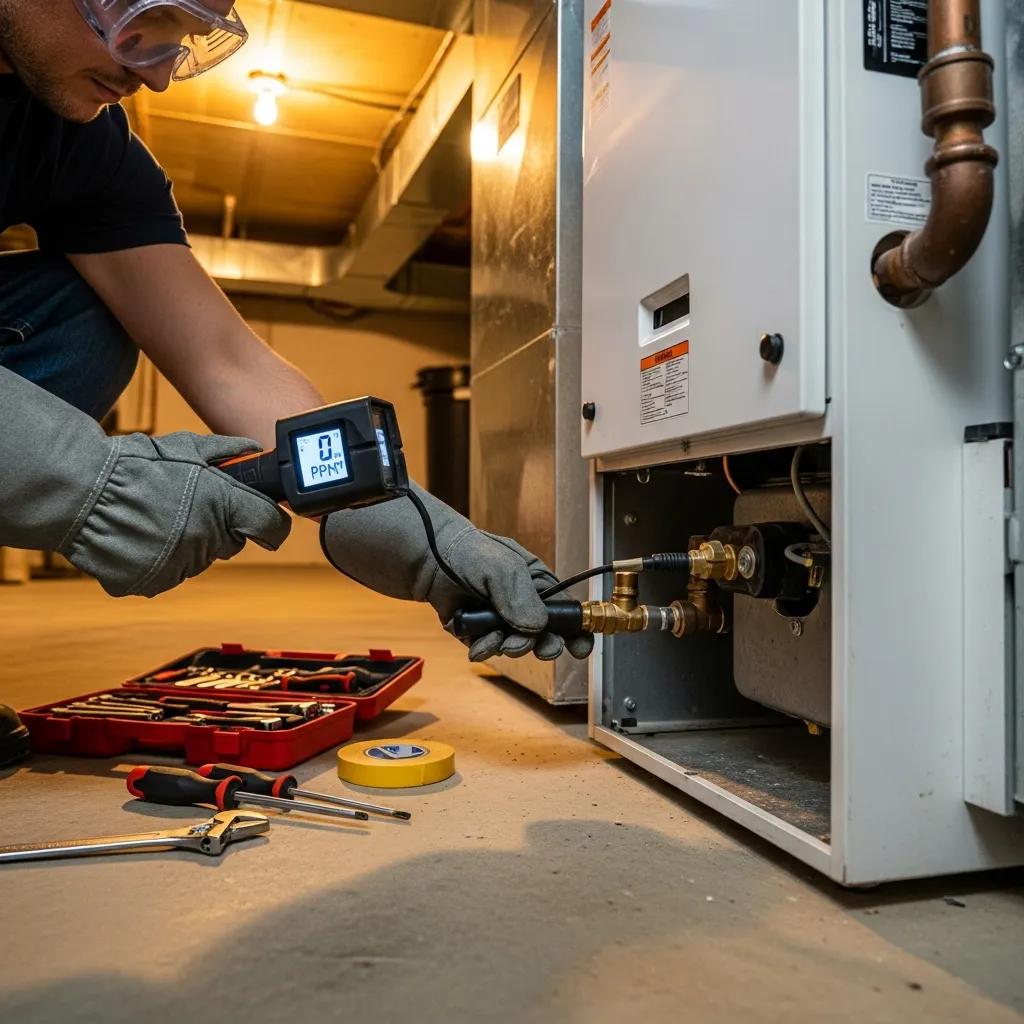
- Understand Carbon Monoxide Risks: Carbon monoxide (CO) is a highly dangerous byproduct of incomplete combustion. It is particularly insidious because it is completely colorless, odorless, and tasteless, making it impossible to detect without specialized equipment. Proper CO detectors installed throughout your home and regular professional furnace inspections are the only reliable ways to protect your home and its occupants from this silent killer.
What Are the Signs of a Gas Leak and How Should You React?
Natural gas is typically odorless, but utility companies add a chemical called mercaptan to give it a distinctive rotten-egg or sulfur smell, making leaks detectable. Other signs include a faint hissing sound near gas lines or the furnace itself, a visible cloud of dust or mist near a gas line, or even dead or dying vegetation near outdoor gas lines. If you suspect a gas leak, your immediate priority is to get everyone out of the house right away. Do not use anything electrical (lights, phones, appliances), do not light matches or open flames, and do not try to locate the source of the leak yourself. Once safely outside and a good distance away, call your gas company’s emergency line or 911 from a mobile phone or a neighbor’s house.
What Are the Warning Signs That Require Professional HVAC Assistance?
Beyond the immediate safety hazards, if problems persist after basic troubleshooting, or if you detect gas smells, burning odors, repeated on/off cycling (short cycling), or a complete lack of heat, it’s unequivocally time to call a licensed HVAC technician. Other warning signs include a yellow or flickering pilot light (it should be blue and steady), water pooling around the furnace, or a sudden, unexplained spike in your energy bills. Leaving these issues unaddressed can not only cause bigger, more expensive failures down the line but also pose significant safety risks to your household. Professional diagnosis ensures the root cause is identified and corrected safely and effectively.
What Factors Influence Emergency Furnace Repair Costs in Houston?
Understanding the various factors that influence what an emergency furnace repair will cost is crucial for homeowners. Knowing these elements helps you budget effectively, make informed decisions, and choose the right service provider for your specific situation.
- Type of Repair Needed: The complexity and scope of the repair are primary cost drivers. Simple fixes, such as replacing a faulty sensor or a minor electrical component, will naturally cost less than major component replacements like a new heat exchanger or blower motor, which involve more labor and expensive parts.
- Urgency of Service: Emergency calls made after regular business hours, on weekends, or during holidays often include higher service fees. These premium charges compensate technicians for their immediate availability and willingness to respond outside of standard operating times, ensuring you get help when you need it most.
- Parts Availability: The cost and availability of specific furnace parts can significantly impact the final price. Common parts are usually readily available and less expensive, but hard-to-find or specialized components for older or less common furnace models may require expedited shipping or special ordering, which can raise the final price considerably.
How Does Urgency and Part Availability Impact Repair Expenses?
Emergency service, particularly during peak demand times like severe cold snaps, weekend appointments, or holiday calls, typically incurs higher labor rates. Technicians are often paid overtime for these urgent dispatches, and these costs are reflected in the service charge. Furthermore, if a specialized or less common part is needed, its availability can be a factor. If the part isn’t stocked locally, expedited shipping fees may apply to get your system running quickly. This is why routine preventative maintenance is so valuable; it significantly reduces the chance of last-minute failures and helps you avoid these premium emergency charges by catching and addressing potential problems early, often during regular business hours.
How Can Preventative Maintenance Help Avoid Future No Heat Emergencies?
Scheduled preventative maintenance is unequivocally the best way to keep your furnace reliable, efficient, and safe throughout its lifespan. Regular service finds small issues before they escalate into costly emergencies, ensures your equipment runs at peak efficiency, and provides invaluable peace of mind during the colder months.
- Increased Efficiency: A well-maintained furnace operates more efficiently. Regular cleaning, lubrication, and calibration of components reduce friction and optimize performance, meaning your system uses less fuel and costs less to run, translating into significant savings on your monthly energy bills.
- Extended Lifespan: Just like a car, regular care helps your heating system last longer. By addressing minor wear and tear, cleaning away corrosive buildup, and ensuring all parts are functioning correctly, maintenance delays the need for costly replacements, maximizing your investment in your furnace.
- Improved Safety: Annual inspections are critical for identifying potential safety hazards. Technicians check for gas leaks, carbon monoxide emissions, faulty wiring, and other risks that could compromise your home’s safety, catching these dangers before they become life-threatening.
Why Are Annual Furnace Tune-Ups Essential for Heating System Reliability?
Annual furnace tune-ups are a comprehensive service designed to prepare your heating system for the demands of the cold season. A typical tune-up includes a thorough cleaning of the burners, flame sensor, and blower components, lubrication of moving parts, safety checks for gas leaks and carbon monoxide, inspection of electrical connections, calibration of the thermostat, and replacement of the air filter. These proactive visits reduce the likelihood of unexpected breakdowns, improve overall system performance, and help your furnace deliver steady, efficient heat throughout the entire heating season, ensuring comfort and safety.
How to Schedule Heating Maintenance with Stafford Air for Peace of Mind?
Scheduling your essential heating maintenance with Stafford Air of Bellaire is easy and convenient. Simply reach our friendly team by phone or through our website to book an appointment that perfectly fits your busy schedule. Our certified technicians perform thorough, multi-point inspections, meticulously clean your system, and leave you with clear, actionable recommendations for any potential issues. This proactive approach ensures your furnace runs safely, efficiently, and reliably all season long, providing you with unparalleled peace of mind and comfort.
Frequently Asked Questions
What should I do if my furnace is making strange noises?
If your furnace starts making unusual noises like banging, grinding, or screeching, the first step is to turn the furnace off immediately at the thermostat and the emergency shut-off switch to prevent further damage. Then, visually inspect the unit for obvious issues like loose panels, debris near the blower fan, or anything visibly out of place. If the noise persists upon restarting, or if you’re unsure of the cause, call a professional HVAC technician right away. Strange sounds often indicate worn or failing parts such as the blower motor, fan belt, or even a cracked heat exchanger, all of which need expert attention to diagnose and repair safely.
How can I improve the efficiency of my furnace?
Improving your furnace’s efficiency can lead to significant energy savings. Start by regularly replacing or cleaning your air filters every 1–3 months to ensure optimal airflow. Next, seal and insulate your home’s ductwork and overall structure to prevent heat loss. Finally, schedule annual professional tune-ups; these comprehensive services ensure your furnace is clean, calibrated, and running at its peak performance, reducing energy waste and extending its lifespan. Consider upgrading to a smart thermostat for even greater control over your energy usage.
What are the benefits of installing a programmable thermostat?
Installing a programmable or smart thermostat offers numerous benefits, primarily reducing energy waste and enhancing comfort. You can program it to automatically lower temperatures while you’re away at work or asleep and raise them just before you return or wake up, saving energy without sacrificing comfort. Many modern models also offer remote control via smartphone apps, allowing you to adjust settings from anywhere, view energy usage reports, and even integrate with smart home systems for extra convenience and optimized heating schedules.
How often should I have my furnace serviced?
For optimal performance, safety, and longevity, you should have your furnace serviced once a year. The ideal time for this annual maintenance is in the fall, just before the heating season begins. This allows technicians to inspect, clean, and make minor adjustments to your system, ensuring it’s ready to handle the demands of cold weather and helping to prevent unexpected breakdowns when you need your heat the most.
What should I do if my furnace is blowing cold air?
If your furnace is blowing cold air, first check the thermostat mode and settings to ensure it’s set to “heat” and the desired temperature is above the current room temperature. Next, inspect the furnace filter; a clogged filter can cause the unit to overheat and shut down the heating cycle. If these basic checks are correct and the unit still blows cold air, a more serious component such as the pilot light, ignition system, a faulty gas valve, or even a cracked heat exchanger may be at fault. In such cases, it’s crucial to call a qualified HVAC technician to diagnose the precise issue safely and effectively.
Are there any safety measures I should take with my furnace?
Absolutely. Several critical safety measures should be taken with your furnace. Install and regularly test carbon monoxide detectors on every level of your home, especially near sleeping areas. Keep the area immediately around your furnace clear of any combustible materials like paint cans, cleaning supplies, or stored items. Ensure proper ventilation around the unit and never block return air vents. If you ever smell gas, detect unusual burning odors, or hear strange noises, evacuate your home immediately and contact emergency services (your gas company or 911) from a safe location. Regular professional maintenance also plays a vital role in identifying and mitigating potential safety hazards.
Conclusion
Handling a no-heat emergency starts with quick, sensible steps: checking the basics like your thermostat and filter, recognizing dangerous signs such as gas leaks or carbon monoxide, and knowing when to call for professional help. Remember, regular preventative maintenance is your best defense, keeping your furnace efficient, extending its lifespan, and significantly reducing the chance of sudden, inconvenient failures. For reliable emergency service, expert repairs, and seasonal tune-ups in the greater Houston area, Stafford Air of Bellaire is ready to help. Don’t wait for the cold to set in — schedule your maintenance or emergency visit today for greater peace of mind and a warm, comfortable home all season long.