

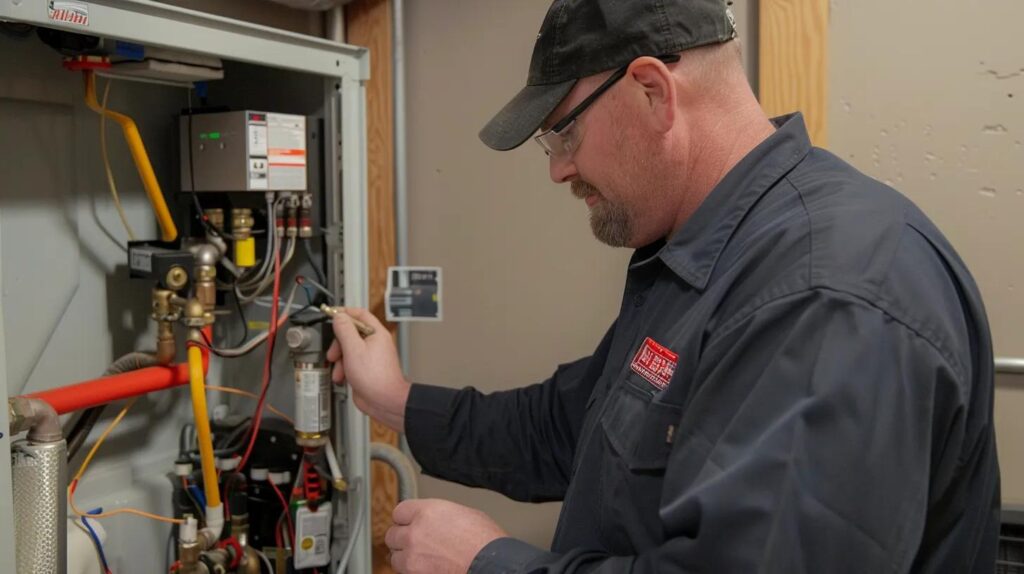
Heating System Maintenance Checklist: Easy DIY Steps and Pro Services for Reliable Furnace Care
Well-maintained heating keeps your home safe, comfortable, and efficient. This guide walks you through practical, safe DIY checks you can do yourself and the professional services that find problems DIY checks can miss—so you’ll know what to do now and when to call in a technician. Skipping simple tasks like filter changes or thermostat calibration often leads to higher bills or surprise breakdowns; this checklist focuses on low-effort items and clear escalation points to prevent those headaches. Read on for a seasonal schedule, step-by-step filter and vent instructions, safety boundaries, a detailed pro tune-up rundown, and straightforward comparisons of DIY versus professional maintenance. We also note Houston-specific timing so local homeowners can match maintenance to our climate. By the end you’ll have a monthly and annual routine, quick troubleshooting flows, and a clear path to professional service when work is beyond safe DIY scope.
How Often Should You Perform Heating System Maintenance?
Maintenance mixes simple homeowner checks with an annual professional inspection to protect safety, efficiency, and equipment life. Monthly visual checks and filter inspections catch airflow problems early, while a once-a-year professional tune-up verifies combustion safety, control calibration, and component health. Routine care keeps parts clean and balanced, reduces wear, and lowers energy use and outage risk. In Houston’s mild-winter climate, book a pro visit before the main heating season so your system starts reliably and any needed parts or adjustments can be handled before cold nights arrive.
What Is the Recommended Annual Schedule for Furnace Tune-Ups?
For best results, schedule a professional furnace tune-up once a year before heating demand increases—late summer to early fall (August–October) is ideal. Between tune-ups, perform monthly checks of filters and registers and run a quick thermostat and airflow test at the start of each season to catch gradual declines. This timeline fits Houston’s short winters and helps address humidity- and pollen-related indoor-air issues before they affect performance.
How Does Regular Maintenance Extend Your Heating System’s Lifespan?
Regular maintenance prevents small problems from growing into major failures. Cleaning lowers friction in moving parts, calibration keeps controls and safety switches working correctly, and timely replacement of worn parts prevents issues like heat-exchanger damage or motor burnout. Over time, consistent DIY care plus professional diagnostics preserves efficiency, reduces energy use, and delays costly replacements.
What Are the Essential DIY Furnace Maintenance Steps Homeowners Can Follow?
These essential DIY tasks are safe, easy checks you can do regularly to keep airflow, combustion visibility, and controls working properly. Focus on replacing filters, cleaning registers and vents, checking the thermostat, scanning visible areas for leaks or soot, and light dusting of accessible blower areas without opening or disassembling equipment. Do these monthly or seasonally as needed—each step reduces strain on the system and helps spot problems before a technician is required. The checklist below lists clear, actionable tasks you can do with minimal tools.
- Inspect or change the air filter monthly during heavy use to preserve airflow and indoor air quality.
- Vacuum and wipe vents and registers; remove obstructions so rooms get balanced airflow.
- Check thermostat settings, replace batteries, and recalibrate if room temperatures don’t match set points.
- Do a visual check of accessible components for leaks, corrosion, or loose wiring. Stop and call a pro if you smell gas or see soot.
These DIY checks reduce strain and highlight issues that need professional attention—covered in the next section.
Below is a quick tools-and-time table to help you prepare before starting DIY tasks.
| Task | Tool / Supply | Difficulty / Time |
|---|---|---|
| Air filter replacement | Replacement filter (choose MERV per system guidance), disposable gloves | Easy — 10–20 minutes |
| Register and vent cleaning | Vacuum with brush attachment, microfiber cloth | Easy — 15–30 minutes |
| Thermostat check & battery | Small digital thermometer, fresh batteries | Easy — 5–15 minutes |
| Visual inspection of furnace area | Flashlight, notepad for observations | Easy — 10–15 minutes |
How to Change Your Furnace Air Filter: Step-by-Step Guide
Changing the filter is one of the highest-impact DIY tasks you can do. Turn off power at the furnace switch first so the blower won’t start while you work. Find the filter slot (return plenum or air handler), note the airflow arrow on the filter frame, remove the old filter, and inspect it for heavy dust or discoloration. Install the correct size and recommended MERV-rated replacement—higher MERV filters trap more particles but can restrict airflow in some systems. Turn the power back on, reset any thermostat filter reminders, and log the change date so you stay on a monthly or seasonal schedule.
What Are Safe DIY Cleaning Tips for Furnace Burners and Vents?
Stick to surface cleaning: vacuum registers, wipe vent covers, and remove dust from visible blower housing. Never disassemble burners, gas lines, or the combustion chamber—those areas are for trained technicians only. If you smell gas, see rusted parts, or find soot on burners, stop immediately, ventilate if safe, and call a professional. Safe DIY keeps airflow clear and the exterior area tidy while leaving internal combustion and electrical work to certified techs.
When Should You Call a Professional HVAC Technician for Heating System Service?
Call a professional when issues involve combustion, electrical, or mechanical failures that are unsafe or beyond simple homeowner fixes. Technicians are required for gas leaks, carbon monoxide concerns, ignition failures, odd combustion smells, visible heat-exchanger damage, or complex electrical faults. Prompt professional attention prevents hazards and avoids costly follow-up repairs because techs use calibrated tools and diagnostic methods to find root causes. Below are clear situations that should trigger a service call instead of continued DIY work.
- Smell gas in the house: shut off the gas if safe, ventilate, and call a technician immediately.
- Carbon monoxide alarm activation: leave the home, call emergency services, then contact an HVAC pro.
- No heat despite a call for heat, or repeated short-cycling: schedule a diagnostic visit to check ignition and controls.
- Loud mechanical noises like grinding, knocking, or metal-on-metal rubbing: shut the system down and request an inspection.
These examples help separate safe DIY checks from situations that need professional tools and training, improving safety and reducing repair escalation.
Stafford Air of Bellaire offers same-day service and keeps a well-stocked parts warehouse to reduce downtime when repairs or parts replacement are needed. As a family-owned contractor serving Houston and nearby communities, Stafford Air responds locally and prioritizes fast access to common components to shorten repair windows. If you notice any urgent symptoms above, note the times, sounds, and any error indicators—this helps technicians diagnose issues faster. Local providers with rapid response capability are especially helpful during cold snaps or when combustion safety is a concern.
What Heating System Issues Require Expert Repair or Inspection?
Call a pro for problems like ignition failures, persistent pilot issues, abnormal combustion byproducts, leaks (water or fuel), or electrical faults that spark or trip breakers. Ignition trouble often points to control board failures, blocked gas valves, or faulty igniters—tasks that need specialized meters and gas-pressure testing. Leaks, soot, or a cracked heat exchanger are safety risks that only certified technicians should evaluate and repair. When you contact a technician, note when symptoms began, what triggers them, and any error codes to speed diagnosis.
How Does Professional Furnace Inspection Improve Safety and Efficiency?
A professional inspection checks combustion gases, heat-exchanger integrity, gas pressures, and safety switches to prevent carbon monoxide hazards and fire risks. Efficiency improves through burner tuning, blower balancing, and precise control adjustments that restore proper airflow and combustion—often lowering energy use and improving comfort. Technicians use diagnostic tools to measure combustion efficiency and electrical draw, enabling focused repairs instead of guesswork and reducing repeat service calls. The result is a safer, more efficient system with clearer timing for component replacements.
What Does a Professional Heating System Tune-Up Include?

A professional tune-up is a methodical inspection and adjustment of combustion, airflow, electrical, and control systems to keep your heating system safe and efficient. Technicians typically inspect and replace filters as needed, clean burners, test the heat exchanger for cracks, check blower motor operation and belt tension, verify thermostat calibration, and run carbon monoxide and other safety tests. These steps identify worn parts, restore operating parameters, and document system condition for future comparisons—reducing breakdown risk and improving energy performance. Below is a typical tune-up checklist and a concise table linking actions to expected results.
- Visual and functional inspection of key components, including the heat exchanger and burners.
- Cleaning and adjustment of burners and blower assembly to restore correct airflow and combustion.
- Safety checks: limit switches, pressure switches, and carbon monoxide testing.
- Electrical tests: voltage, current draw, and control continuity; thermostat calibration and system cycling verification.
This checklist shows what to expect during an appointment and offers transparency about the professional process and outcomes.
The table below pairs common tune-up tasks with measurable outcomes so homeowners know the benefits before scheduling service.
| Component Checked | Measurement / Action | Expected Outcome |
|---|---|---|
| Filters and airflow | Replace or clean filters; measure static pressure | Restored airflow and improved system efficiency |
| Burners and combustion | Clean burners; adjust fuel-air mix; combustion test | Cleaner combustion, lower CO levels, and better fuel use |
| Heat exchanger | Visual/pressure inspection for cracks or corrosion | Verified safety and structural integrity |
| Blower motor & controls | Inspect bearings, belts; measure amperage | Quieter operation, correct airflow, and lower energy draw |
What Are the Key Components Checked During a Professional Furnace Tune-Up?
Technicians typically check the air filter, burners, heat exchanger, blower motor, belts, thermostat, safety switches, and venting system—each item affects safety and performance. They start with filters and airflow to set a baseline, inspect burners and flame patterns for soot or imbalance, and examine the heat exchanger for cracks because it separates combustion gases from your indoor air. The blower motor, bearings, and belts are checked for proper airflow and electrical draw, with control calibrations made to optimize cycling and efficiency.
How Does Stafford Air of Bellaire Ensure Quality and Same-Day Service?
At Stafford Air of Bellaire, we prioritize local responsiveness: same-day service options and a stocked parts warehouse let us complete many repairs on the first visit. Our family-owned approach means direct accountability and quick communication with homeowners in Houston and nearby communities. Technicians arrive prepared, which reduces repeat trips and shortens system downtime. If fast, reliable service matters to you, our local readiness is an important advantage when choosing a provider.
If you’d like to schedule a professional tune-up or need immediate repair, note the symptoms and have your address and phone ready when you call or email the provider.
What Are the Benefits of Professional HVAC Maintenance Compared to DIY?
Professional maintenance delivers measurable advantages over DIY in safety, component longevity, and efficiency. Technicians use calibrated instruments to check combustion efficiency, carbon monoxide levels, and electrical draw—readings that visual DIY checks can’t provide. Regular professional service catches worn parts early, reducing emergency repairs and helping systems reach or exceed expected lifespans. Below is a quick summary of core benefits and a comparison table showing DIY versus professional impacts.
- Better safety through combustion and CO testing that DIY checks don’t include.
- Longer equipment life thanks to timely part replacement and precise calibration.
- Energy savings from optimized combustion and airflow, which lowers monthly operating costs.
Combining regular DIY upkeep with annual professional service produces the best long-term results for most homeowners.
| Benefit | DIY Impact | Professional Impact |
|---|---|---|
| Safety | Basic visual checks; no combustion testing | Full combustion/CO testing and safety-switch validation |
| Lifespan | Some wear reduction through filter changes | Early part replacement and reduced component stress |
| Efficiency | Improved airflow from regular filter changes | Measured tuning of burners, blower balance, and controls |
How Does Professional Service Prevent Costly Heating System Breakdowns?
Professionals spot early warning signs—uneven combustion, abnormal amperage draw, and worn bearings—that DIY checks can’t quantify. Diagnostic readings reveal failing capacitors, motors, or heat-exchanger issues so techs can make targeted repairs before catastrophic failure. Regular service also refreshes component tolerances and clears minor blockages that otherwise escalate into major failures like motor burnout or heat-exchanger cracks. Documented professional maintenance reduces surprise emergency repairs and creates a predictable service schedule.
What Energy Efficiency Gains Can You Expect from Expert Heating Maintenance?
Expert maintenance typically yields modest, reliable efficiency gains by restoring cleaner combustion, correct airflow, and calibrated controls. Results depend on system age and baseline condition, but a tune-up commonly returns single-digit percentage improvements in energy use and maintains those gains over time. Fixing short-cycling, balancing blowers, and tuning burners lowers energy draw and improves temperature consistency—delivering cumulative savings and better indoor air quality.
Frequently Asked Questions
What are the signs that my heating system needs maintenance?
Look for unusual noises, uneven heating, rising energy bills, and frequent on/off cycling. Grinding or rattling sounds may point to mechanical issues. Cold spots in rooms or sudden jumps in energy costs can signal inefficiency. Regularly checking filters and keeping vents clear helps stop small problems from getting worse.
How can I improve the efficiency of my heating system?
Keep filters clean—replace them monthly during heavy use. Seal drafts around windows and doors to prevent heat loss. Use a programmable thermostat to match heating to your routine. And schedule an annual professional tune-up to find and fix hidden inefficiencies so your system runs its best.
What should I do if my heating system is blowing cold air?
First, confirm the thermostat is set to “heat” and the set temperature is higher than the room. Check the air filter—clogged filters can cause cold airflow. If those steps don’t help, the issue may be ignition failure or a faulty blower motor and will require a professional inspection.
How can I ensure my heating system is safe to use?
Perform visual checks for rust, leaks, or soot. Install carbon monoxide detectors near bedrooms and test them monthly. Schedule annual professional inspections to test combustion safety and the heat exchanger. Keep vents and registers unobstructed to maintain proper airflow and reduce overheating risk.
Conclusion
Routine heating maintenance protects safety, improves efficiency, and extends equipment life—saving you from unexpected repairs and higher energy bills. Pair simple DIY tasks with an annual professional inspection for the best results. Don’t wait for a breakdown: schedule your annual tune-up now to keep your system running reliably. Visit Stafford Air of Bellaire to learn more about our services and to book service for your Houston-area home.